
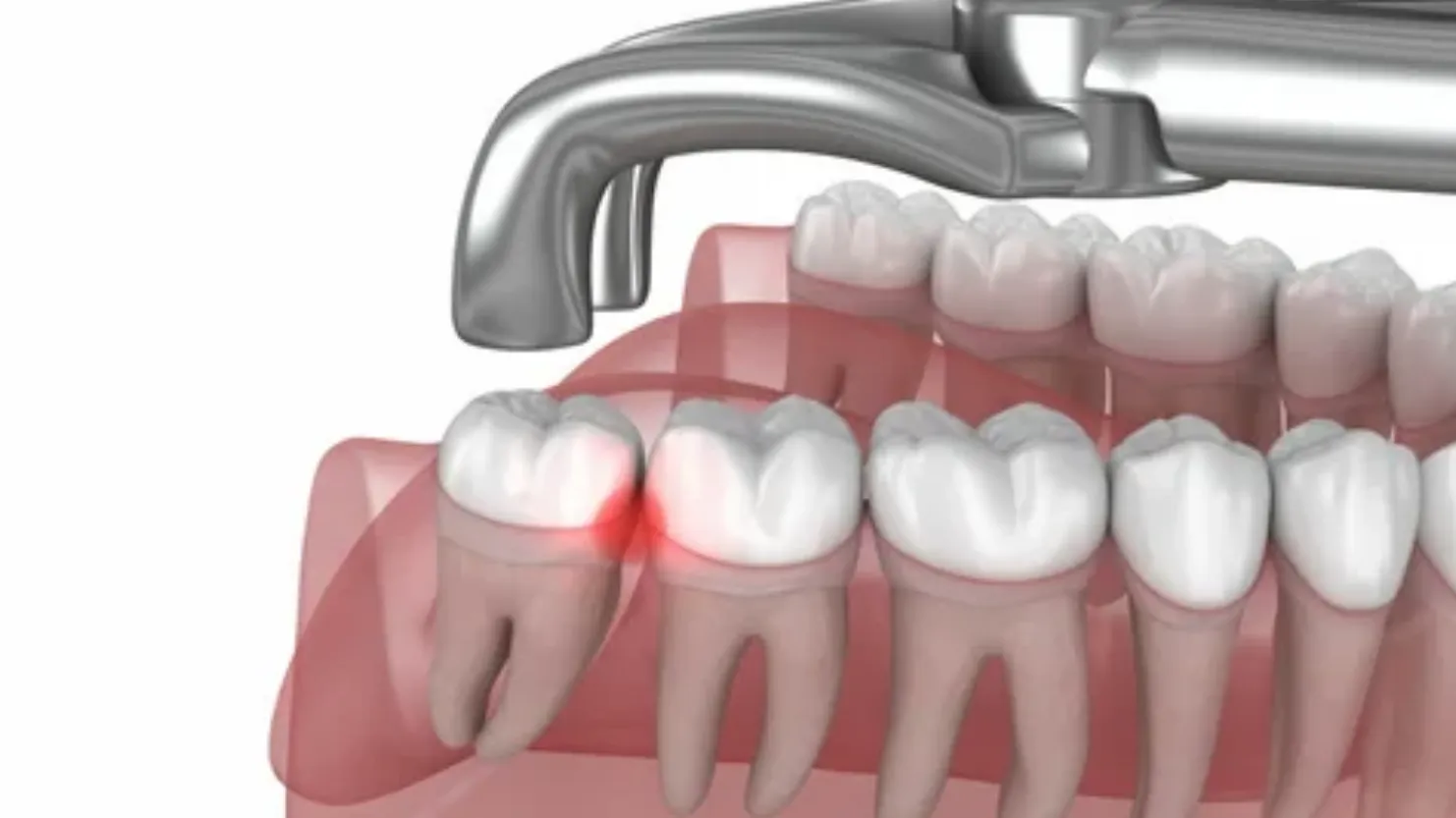

When Extraction of Wisdom Teeth Becomes Necessary
Third molars often arrive like uninvited guests who don’t fit at the table. Their angulation, jaw size, and eruption timing frequently clash, forcing them into awkward positions. This misalignment can cause overcrowding, biting discomfort, or an endless cycle of gum inflammation. Persistent pain at the back of the mouth, swelling that won’t recede, or recurring infection around partially visible molars are not inconveniences to ignore.
The American Association of Oral and Maxillofacial Surgeons has long flagged impacted wisdom teeth as a risk factor for cyst formation and bone loss. A 2020 Journal of Oral and Maxillofacial Surgery study underlined that even symptom-free impactions can cause damage over time. This isn’t about paranoia. It’s about acting before a benign-sounding annoyance escalates into surgical urgency.
Selecting Sedation for Smoother Wisdom Tooth Extraction
Choosing sedation is not a throwaway decision. It shapes your entire surgical experience.
Local anesthesia: Numbs the surgical site. You stay awake and aware. Quick recovery, but zero help with anxiety.
IV sedation: Induces a drowsy, twilight state. You’ll remember little. Recovery is slightly longer, but anxiety melts away.
General anesthesia: Full unconsciousness. Best for deeply impacted teeth or complex work. Requires airway control and monitored recovery.
The call depends on your medical history, pain tolerance, and case complexity. An anxious patient with all four molars buried in bone might benefit from IV or general anesthesia, while a straightforward partial eruption could be handled with local. Before committing, prepare blunt, clear questions about safety protocols and how long you can expect to feel groggy afterward.
Locating a Qualified Surgeon for Wisdom Teeth Removal
Not every “oral surgeon” delivers the same level of skill or safety. Start by confirming board certification and that recognized bodies accredit the facility’s surgical suites. A respectable practice will have complication rates they can show you, not hide behind.
Patient reviews are worth reading, but look for patterns rather than one-off complaints. Ask to see before-and-after case studies that reflect your specific scenario. If you know how to search efficiently, you’ll quickly find wisdom teeth removal Las Vegas specialists with documented expertise. This is your face, jaw, and long-term comfort on the line. Don’t shop like you’re picking a new phone charger.
Stages of Wisdom Teeth Extraction Surgery
Pre-operative imaging is where the story begins. You sit, you bite, and the X-ray or CBCT scan gives the surgeon the roadmap. For fully impacted teeth, they’ll often create a gum flap over the target area, opening a clean path.
Sometimes bone removal is necessary. You’ll feel pressure but not pain if anesthesia is doing its job. If the root shape or angle makes removal tricky, the tooth may be sectioned into smaller pieces for easier extraction. Once the tooth is out, sutures seal the site. Partially erupted teeth can skip a few of these steps, but the principle is the same: precision from start to finish.
Aftercare Strategies Post-Wisdom Teeth Extraction
• Apply gentle pressure with gauze to control bleeding in the first few hours.
• Use cold packs on your cheek in twenty-minute intervals to curb swelling.
• Shift from liquids to soft foods like yogurt or mashed potatoes over the first three days.
For a week, keep your chewing on the opposite side, brush gently around the site, and avoid vigorous rinsing that could dislodge blood clots. Activity should be minimal for the first two to three days, then ramp up slowly. If your swelling balloons after day three or the bleeding suddenly worsens, pick up the phone. This is not something you wait out.
Addressing Complications After Wisdom Tooth Extraction
Dry socket is the painful exposure of bone after a clot dissolves. Infection is a bacterial party you didn’t invite. Nerve tingling is a sign that nearby nerves have been irritated or bruised.
Mild pain can often be handled with OTC anti-inflammatories, but anything persistent or escalating demands professional evaluation. Prescription antibiotics and stronger analgesics aren’t overkill if there’s clear evidence of infection. Don’t play stoic hero and hope it passes. Call the surgeon’s office the moment symptoms start to veer off course.
Preparing Mentally and Physically for Your Surgery
Preparation sharpens your odds of a painless experience. Sit down with your surgeon in a pre-op consult and lay out your medical history, any medications, and your anxiety triggers. This is not small talk—it’s risk management.
Have transportation arranged, a recovery kit ready with soft foods, prescribed pain meds, and small comforts like phone chargers. Block your calendar for a couple of days if extractions are complex. Maximize your short office time by bringing a written list of questions. A well-run surgery begins in your notebook, not the operating room.
Looking Ahead: Comfort and Confidence
You now know when extraction becomes non-negotiable, the sedation spectrum and its trade-offs, how to vet a surgeon without falling for glossy marketing, the sequence of surgical stages, critical at-home care, complication red flags, and how to stage your own preparation. Informed patients heal faster, avoid needless agony, and sidestep preventable setbacks. Research third-molar specialists now and take the next step toward breathing, chewing, and smiling without a second thought.