
You may still be replaying the crash in your head. One second you were riding through traffic, a bike lane, or a neighborhood street, and the next you were on the ground, hurt, confused, and trying to figure out what just happened. That fog after an e bike crash is real. Your body hurts, your phone may be damaged, and people around you are talking all at once. In that moment, evidence is easy to lose, which is why speaking with a Miami e-bike accident attorney may help you understand your next steps.
If you were hurt in an e-bike accident, the proof you keep can shape what happens next. Photos disappear, street footage gets erased, damaged parts get repaired, and witnesses stop answering calls. Preserving evidence early gives you a clearer record of how the crash happened, who was involved, and how the injuries changed your daily life. That matters whether you are dealing with an insurance claim, a police report, or a personal injury lawyer.
Evidence from an e-bike accident in Miami can disappear fast
After a crash, people often focus on the obvious problems first. Medical care comes first, as it should. Then the bills start showing up. Work gets missed. Your bike may be sitting in a garage, bent and scraped, while you wonder if it should be repaired or thrown away. That damaged bike may be one of the strongest pieces of physical evidence you have.
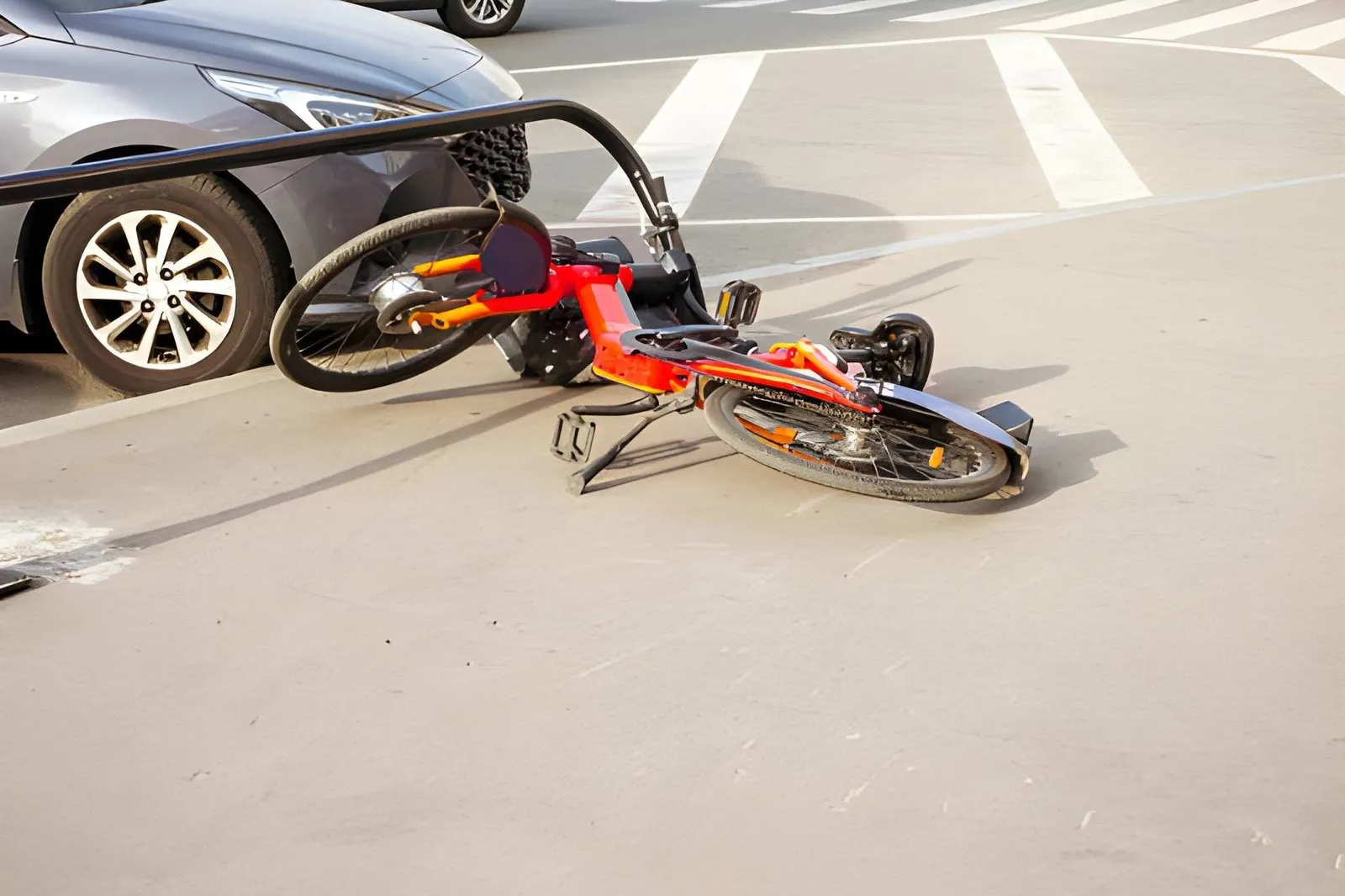
Keep the e-bike exactly as it is after the collision if you can do so safely. Do not repair it, clean it, or replace broken parts yet. Scrapes, crushed areas, brake condition, wheel damage, battery placement, lighting, and handlebar position can all tell part of the story. If a product defect may have played a role, the federal government’s micromobility safety information center offers useful background on e-bike and scooter safety issues.
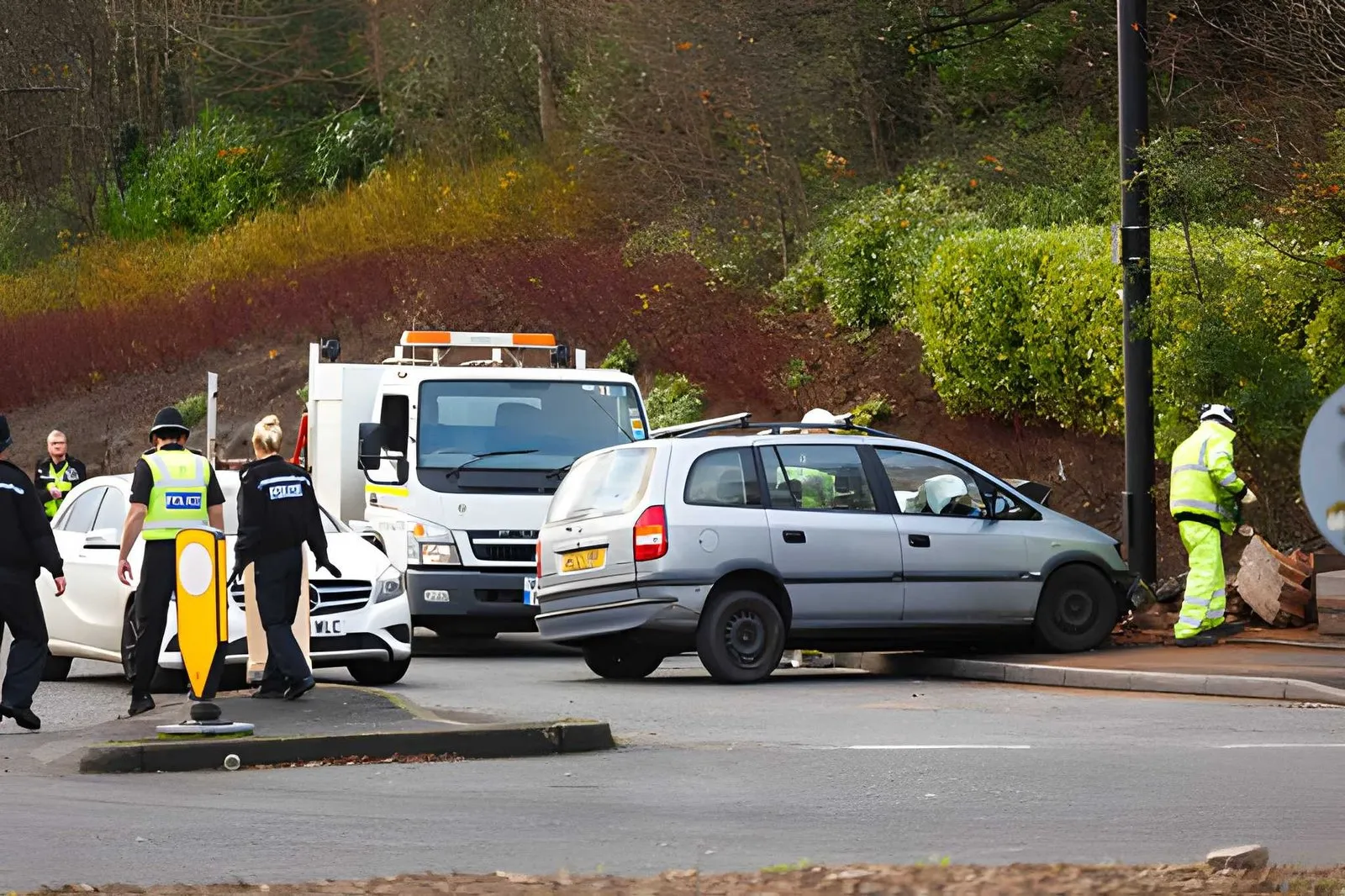
Photos and video also matter more than people expect. Take pictures of your injuries, your helmet, the road surface, skid marks, broken glass, traffic signs, lane markings, parked cars, and any damage to another vehicle. Get wide shots and close-ups. If the crash happened near an intersection, storefront, or apartment building, nearby cameras may have recorded it. Those recordings are often deleted in days, not months.
Witness information is another piece people lose. A driver may leave, bystanders may scatter, and names can get written on a scrap of paper that disappears. If anyone saw the crash, save their full name, phone number, and what they said they observed. Even a short note like “saw SUV turn across bike lane” can help lock in details before memories shift.
Medical records and official reports connect the crash to your injuries
Insurance companies often look for gaps. If there is a delay in treatment, they may argue you were not badly hurt. If your records are incomplete, they may say your pain came from something else. Save every document tied to your care. That includes the ambulance record, emergency room papers, imaging results, discharge instructions, prescriptions, follow up visits, physical therapy notes, and receipts for medication or medical devices.
Daily symptoms belong in the file too. Keep a short journal. Write down pain levels, sleep problems, missed work, trouble walking, headaches, anxiety, and anything you can no longer do the same way. A fractured wrist looks serious on an X ray, but a journal explains what that injury actually did to your life.
Official crash records can support your claim, even if they are not perfect. You can review Florida traffic crash data through the Florida Department of Transportation crash data resources. If Miami Dade law enforcement responded, you may also need local report access through the Miami Dade police report request service. Get the report number, the responding agency, and the names of the officers involved.
Phone data can help as well. Save ride app records, location history, time stamped texts, and call logs from that day. If a driver claimed you came out of nowhere, a time stamp showing exactly where you were minutes before the crash can become useful. The same goes for smartwatch data that shows speed, route, or sudden impact.
Preserving proof after an electric bike crash protects the full value of your claim
Some evidence shows fault. Some shows damages. You usually need both. A photo of a driver’s door swung into the bike lane may help prove negligence. A record of six weeks of missed work helps show financial loss. Without both, the picture stays incomplete.
What evidence should you preserve after an e-bike accident in Miami? Start with the scene, the bike, your body, your treatment, your expenses, and your communications. Save emails with insurers, screenshots of messages, repair estimates, receipts for transportation to appointments, and any statements made by the other driver. Do not rely on memory alone.
| Evidence | What It Can Prove | What Happens If You Lose It |
|---|---|---|
| Photos of the scene and vehicles | Road conditions, point of impact, traffic layout, visible damage | The other side may dispute how the crash happened |
| Damaged e-bike and helmet | Force of impact, mechanical failure, direction of collision | Repairs or disposal can erase physical proof |
| Witness names and numbers | Independent account of fault | Witnesses become hard to find or forget details |
| Medical records and bills | Injury severity, treatment timeline, costs | Insurers may argue your injuries are minor or unrelated |
| Journal of pain and missed activities | Daily impact of the injury | Non economic losses become harder to explain |
Three steps to take right after an e-bike injury claim begins
1. Lock down the physical evidence. Store the bike, helmet, clothing, and accessories in a safe place. Do not wash blood, dirt, or scuff marks off anything. Put loose parts in a bag and label them with the date.
2. Build one file for every record. Keep photos, videos, receipts, reports, prescriptions, wage loss documents, and insurance letters together. A digital folder plus a paper folder works well. If you are helping a family member who was hurt, this step alone can reduce a lot of chaos.
3. Speak with a personal injury lawyer before the evidence thins out. What to keep after an e-bike accident is not always obvious, especially if road design, a defective part, or a commercial vehicle may be involved. Early legal help can lead to preservation letters for video footage, vehicle data, and business records before they disappear.
Strong evidence gives your electric bicycle accident case a clearer path
You do not need to have every answer right away. You just need to protect what exists now. The days after a crash are messy, and that does not mean you are doing anything wrong. It means you were hit with something sudden and painful. Saving the right proof gives you a fair chance to show what happened and what it cost you.
If you are dealing with the aftermath of a crash, get medical care, preserve what you can, and talk with a personal injury lawyer before key evidence is lost.