
Regular maintenance is not just a good idea for office buildings; it is a must for long life, daily use, and steady results. It keeps things running, keeps people safe, cuts waste, and keeps the space looking good. It protects your investment and lifts team morale.
Skipping this key work can lead to small headaches at first, then big bills and safety risks.
Think of it this way: a commercial building is often one of the biggest assets a company owns. Like any major investment, it needs care to hold its value and pay off.
This is more than looks; it goes to how well the building runs and if it meets rules. For example, keeping up with rules covered by Local Law 11 is key to avoiding fines and legal trouble. Making maintenance a priority supports long-term success and steady operations.
Why Regular Maintenance Matters for Office Buildings
Regular maintenance can make the difference between a busy, productive office and one filled with breakdowns and rising costs. Facility care is the base that keeps large buildings running well. It means acting early, fixing small issues before they grow into big problems that hit budgets and daily work.
A well-kept building looks good and works well. It shows solid management and a promise to give employees, clients, and visitors a quality place to be. The payoff is clear: longer building life, better safety, and smoother operations, all feeding a healthier bottom line.
How Does Maintenance Affect Building Lifespan?
Regular care helps a building last. By checking, cleaning, and fixing parts on a set schedule, owners can add years to an office’s life. A small roof leak caught during a routine check is cheap to fix. If ignored, it can lead to water damage, mold, and structural trouble that costs far more. The same idea applies to HVAC, plumbing, and electrical systems.
Preventive work is a key part of protecting a building’s structure. These planned tasks spot wear, rust, and other damage before they weaken the building. By doing these checks, owners can cut down the causes of decay and keep the property strong and usable for many years.
Why Do Businesses Prioritize Like-New Facilities?
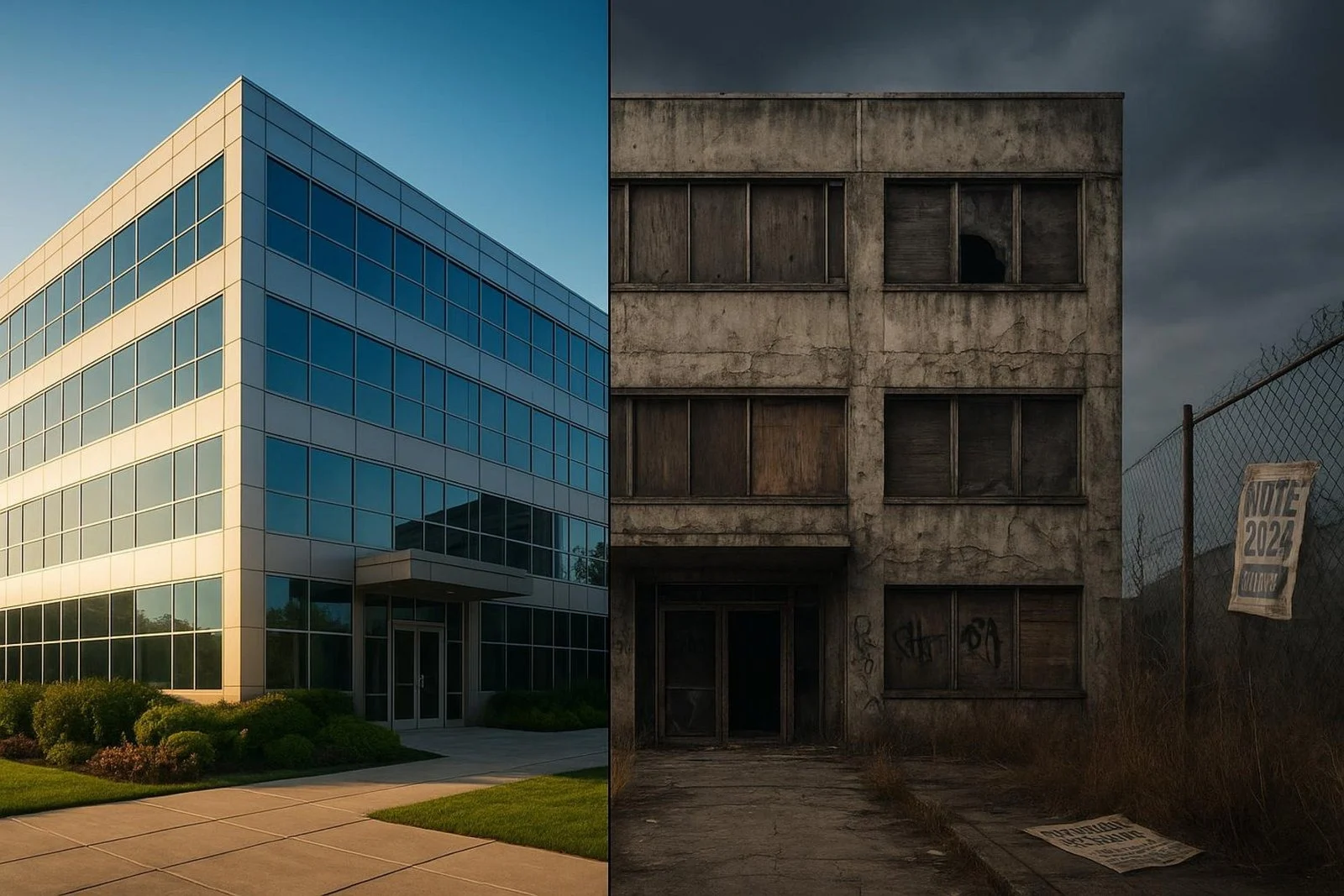
Today, a “like-new” office is more than a nice extra; it gives a real edge. A clean, fully working building makes a strong first impression on clients, visitors, and future hires. It shows care and quality. A worn, poorly kept space does the opposite and can hurt a brand and drive away both clients and top talent.
It also affects daily work. People do better in a safe, comfortable, and pleasant space. Fresh paint, good lighting, and clean shared areas build a good mood across the team, which leads to higher output and lower turnover. The goal is a place where people feel valued and can do their best work.
Benefits of Regular Maintenance for Office Buildings
A strong maintenance plan helps money, operations, and people. It does more than keep the lights on; it supports the success and staying power of the business inside the building.
Reduces Long-Term Repair and Replacement Costs
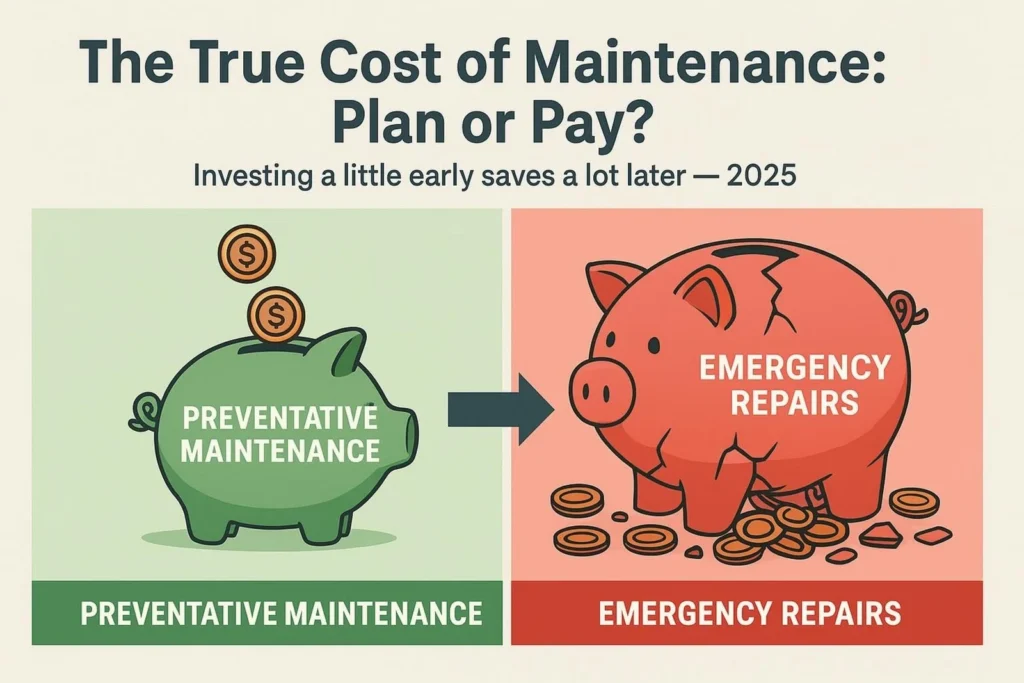
One big win is lower repair and replacement costs over time. Fixing small problems early-like a flickering light or a slow drip-keeps them from turning into big, pricey jobs. Regular HVAC service helps avoid breakdowns and late-night calls. Roof checks and small fixes can push back a full roof replacement and save major capital.
With an early-action plan, owners can budget better and cut surprise bills. Planned work often costs less and keeps key systems running without shutdowns. Small steady spending now prevents much larger costs later.
Boosts Energy Efficiency and Building Performance
A well-maintained office usually uses less energy. When heating, cooling, and electrical systems run as they should, they draw less power. That lowers utility bills and shrinks the carbon footprint. Regular HVAC service, good insulation, and tight windows and doors can greatly reduce energy use — especially when supported by knowledgeable exterior restoration specialists like Nova Construction Services.
Lower energy use also makes the building work better. A tuned HVAC system keeps steady temperatures for comfort. Efficient lighting gives the right amount of light without waste. Together, these create a more pleasant place to work and show care for both people and the environment.
Strengthens Employee Health, Safety, and Satisfaction
Employee health and safety come first, and steady maintenance helps protect both. Well-kept spaces reduce risks like bad wiring, slippery floors, or failing gear. Regular checks and quick fixes in electrical, plumbing, and HVAC cut the chance of dangerous situations.
Acting early on safety helps prevent accidents and keeps people safe. Clean, comfortable, well-kept areas also lift morale. When people feel safe and respected, they tend to get more done and stay longer.
Maintains Consistent Functionality and Aesthetics
Consistency matters in business. Regular care keeps building systems reliable and cuts disruptions to daily work. Breakdowns, poor air, or plumbing trouble can slow teams. A steady, reliable building keeps work moving.
Looks matter too. Ongoing cleaning and painting, cared-for grounds, and fast fixes for damaged surfaces keep the property looking sharp. A clean, smooth-running site impresses clients and tenants and supports a reputation for quality.
Improves Customer and Tenant Experience
For office buildings, the experience of customers and tenants ties directly to building quality. A clean, safe, attractive place builds confidence and can lead to more sales and repeat visits.
For tenants, steady care is a major reason to stay. Heat, cooling, and plumbing that work well make the space comfortable. Satisfied tenants are more likely to renew, which cuts turnover and leasing costs. A better building experience builds stronger ties and long-term results.
Risks of Neglecting Building Maintenance
The flip side is costly. Skipping upkeep leads to problems that hit money, safety, reputation, and legal status.
Increases Safety Hazards and Legal Liability
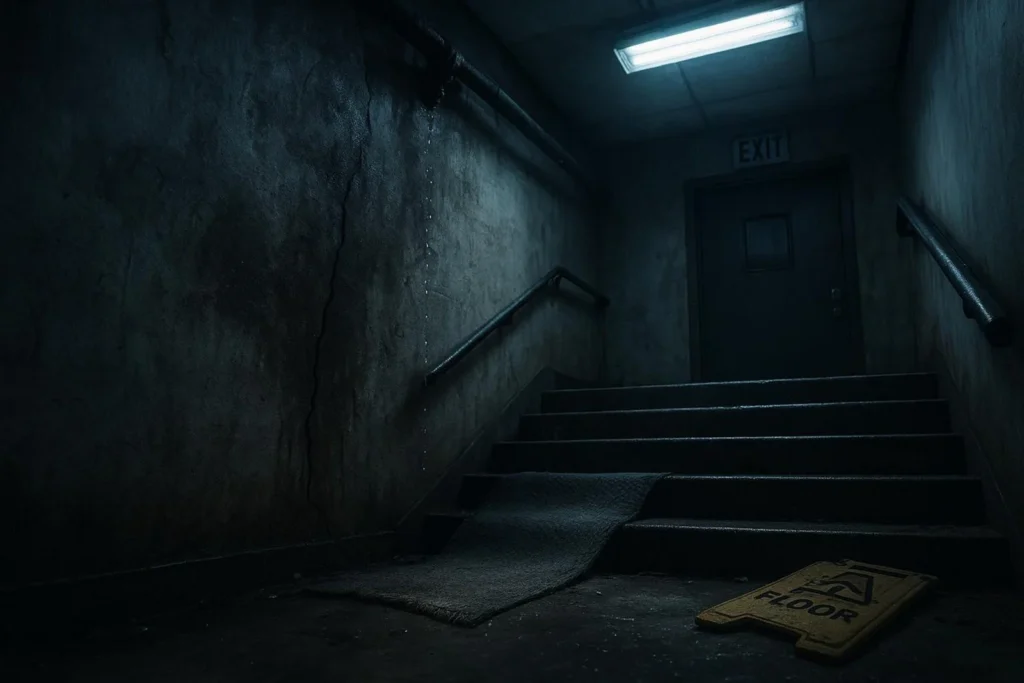
Poor maintenance raises safety risks for everyone. Bad wiring, weak structure, leaks that cause slick floors, or fire systems that do not work can all put people in danger. These risks also raise legal exposure for owners.
If a preventable issue causes harm, owners may face lawsuits, fines, and damage to their name. Regular checks of safety systems help lower these risks and keep the building in line with rules, protecting people and the business.
Raises Operating Costs Due to Equipment Failure
Skipping service to “save money” often leads to higher costs later. Gear that does not get regular care breaks more often. An HVAC unit without service will fail and may need emergency work or full replacement, both far pricier than routine service.
Breakdowns also cause downtime that hurts productivity. A stuck elevator, a burst pipe, or a power issue can stop work, upset tenants, and cut revenue. Regular preventive work keeps equipment running, adds years to its life, and avoids surprise costs.
Impacts Regulatory Compliance and Building Codes
Office buildings must meet many local, state, and federal rules on fire safety, access, structure, and the environment. Poor upkeep can lead to violations, fines, shutdowns, and legal trouble.
Steady maintenance helps a building meet these standards. That means servicing fire alarms and sprinklers, checking electrical systems, and keeping ramps and doors in good shape. Keeping up with these tasks avoids penalties and shows responsible ownership, giving confidence to both owners and occupants.
Lowers Asset Value and Brand Reputation
A building is a real asset, and its condition drives its value. If care slips, value drops. Wear, damage, and old systems make the property less appealing to tenants or buyers, which can reduce rent and sale price.
The look and feel of the building also shape the brand of the companies inside. A worn space sends the wrong message about standards. A clean, well-kept site improves brand image, signaling stability and care. Taking care of the property is also an investment in the brand.
What Is Included in Regular Office Building Maintenance?
Regular office maintenance is an ongoing set of tasks that keep the property working, safe, and appealing. It goes well beyond cleaning and helps protect the asset and keep it performing well.
Types of Maintenance: Preventive, Corrective, and Routine
An effective plan usually mixes three kinds of work: routine, preventive, and corrective.
Routine Maintenance: Day-to-day tasks that keep a space safe, usable, and neat. These are scheduled often and include cleaning common areas, trash removal, basic system checks, and general upkeep. Examples: mopping floors, cleaning bathrooms, washing windows, and making sure basic plumbing and lighting work.
Preventive Maintenance: Planned work done ahead of time to avoid failures and add life to assets. It includes scheduled tasks that stop breakdowns and find issues before they grow. Examples: HVAC service, roof inspections, checking electrical circuits, and lubricating moving parts. It means planning ahead, not waiting for a breakdown.
Corrective Maintenance: Also called reactive work, this fixes issues after they appear. Even with a solid preventive plan, surprises happen. This includes repairing broken equipment, fixing leaks, or resolving electrical faults. A clear corrective process helps teams respond fast, cut downtime, and restore service quickly.
| Type | Main goal | Typical tasks | How often |
| Routine | Keep daily operations and appearance | Cleaning, trash, basic checks | Daily/Weekly |
| Preventive | Stop failures and extend life | HVAC service, roof checks, lubrication | Monthly/Quarterly/Annually |
| Corrective | Fix issues after they happen | Repair leaks, replace parts, resolve faults | As needed |
Examples of Key Maintenance Tasks in Office Spaces
The specific tasks in office maintenance cover the whole site, inside and out. Key examples include:
- HVAC System Checks: Regular inspection, cleaning, and filter changes for heating, ventilation, and air conditioning to keep performance high, air clean, and energy use low.
- Plumbing Inspections: Checking for leaks, clogs, and proper flow in fixtures, pipes, and drains to prevent water damage and keep things sanitary.
- Electrical Maintenance: Routine checks of wiring, outlets, lighting, and backup power to prevent hazards, keep systems working, and reduce power waste.
- Fire Safety Equipment Checks: Servicing alarms, sprinklers, extinguishers, and exits so they work during an emergency.
- Roof and Gutter Maintenance: Inspections, debris removal, and small repairs to prevent leaks and structural issues.
- Building Exterior Inspection: Checking walls, windows, doors, and facades for cracks, damage, or wear, plus painting and graffiti removal to protect surfaces and keep a clean look.
- Elevator Maintenance: Regular service and safety checks for safe, smooth operation.
- General Cleaning and Janitorial Services: Daily or regular cleaning of common areas, offices, restrooms, and kitchens to maintain hygiene and a pleasant environment.
- Landscaping and Groundskeeping: Mowing, trimming, irrigation care, and clearing paths to improve curb appeal and keep paths safe.
- Parking Lot Maintenance: Sealing cracks, repainting lines, and fixing drainage to keep a safe and welcoming entry point.
- Security System Checks: Inspecting alarms, access control, and cameras to keep them working and improve building security.
What Makes a Successful Maintenance Plan?
A good maintenance plan is more than a task list; it is a clear system that delivers steady, cost-smart results. It needs careful planning, steady follow-through, and regular oversight.
Creating and Following a Maintenance Schedule
The base of any plan is a clear schedule. List all routine and preventive jobs, how often to do them, and who is responsible. Treat it like a roadmap so no key task is missed and work happens in an orderly way.
For example, annual items may include major HVAC service, roof checks, and fire system tests, while weekly or monthly items cover cleaning, small fixes, and general inspections. Making the schedule is step one; sticking to it is what matters. Everyone on the team should know their duties and follow the plan to keep the building at its best and avoid expensive emergency work.
Importance of Checklists and Inspection Protocols
Checklists and clear inspection steps help keep work consistent and complete. A simple step-by-step list guides technicians and prevents missed items, leading to steady quality.
Checklists also create a record: when the task was done, by whom, and what they saw. These records track progress, flag repeat issues, and show that rules were followed. For instance, a quarterly HVAC checklist can list every part to check, readings to take, and warning signs to watch. This detail helps make sure the work is done right and builds clear accountability.
In the end, spending on regular maintenance is not just a cost; it is a smart move that supports long-term success. By putting a full, well-planned upkeep program first, owners protect a major asset and create a place where companies grow and people do their best work. It protects property, lifts productivity, and keeps the workspace strong and lively for years.