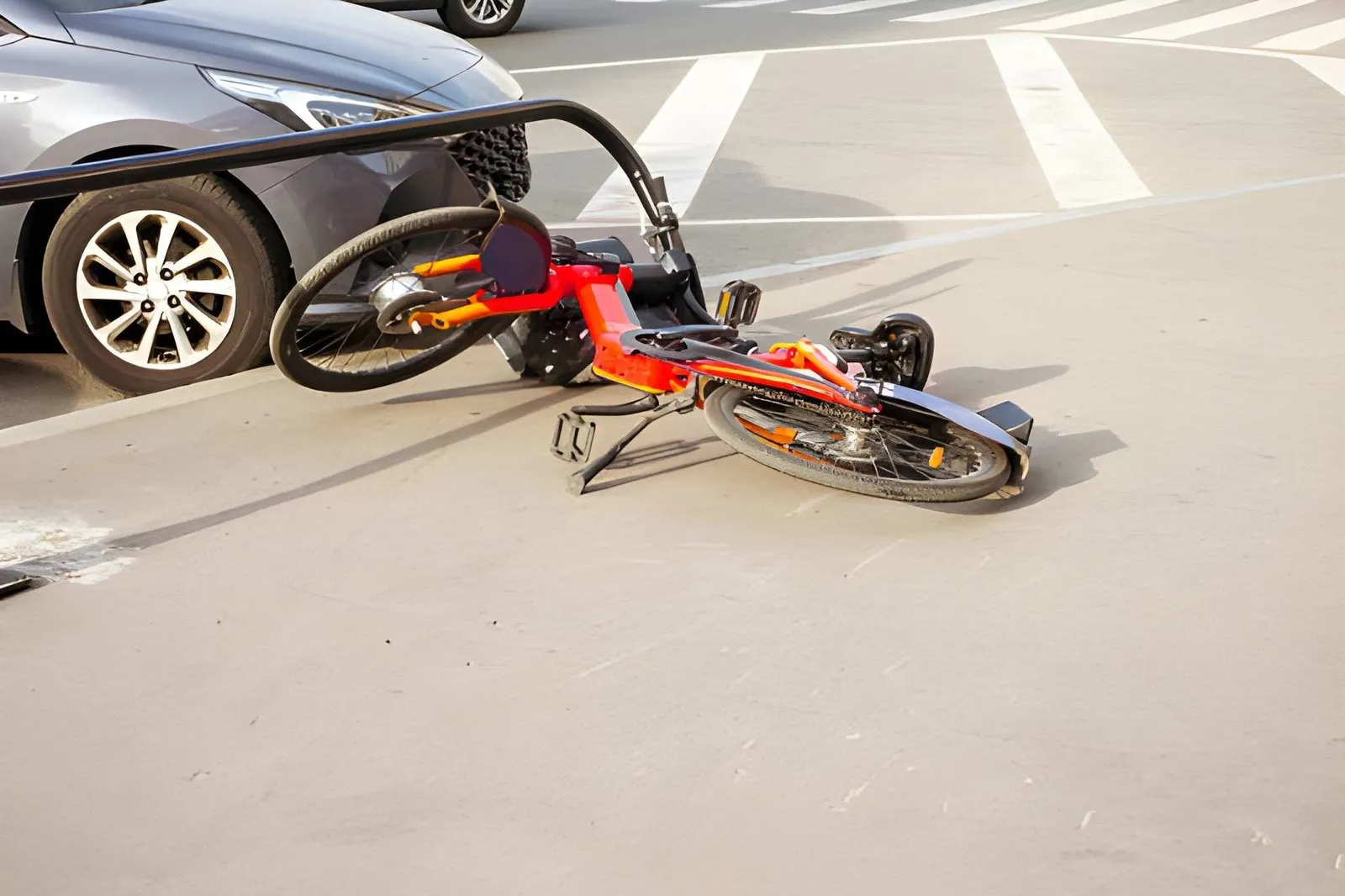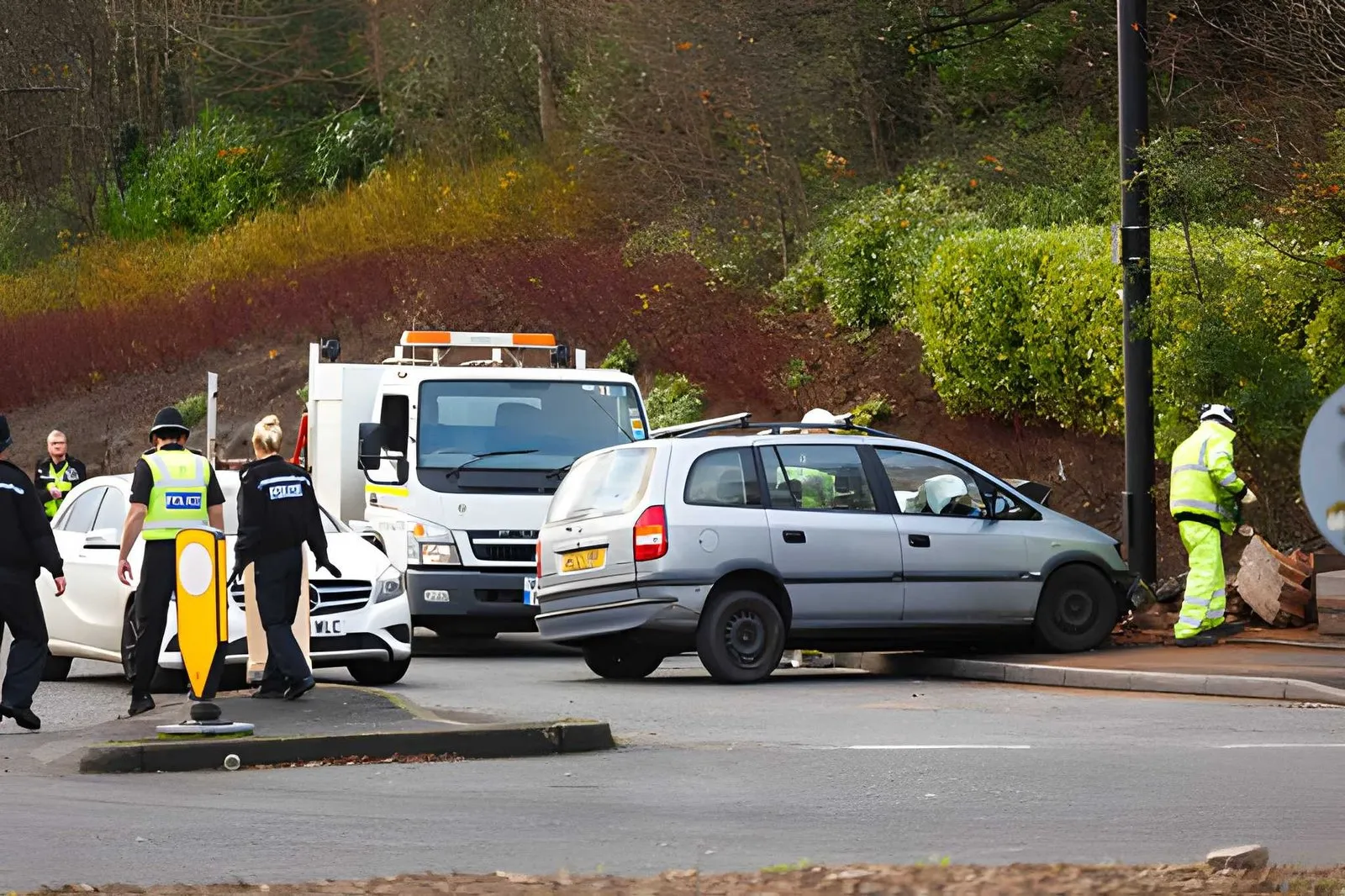


A car hits a person. It happens fast. It leaves pain, fear, and confusion. You may wonder who is at fault. You may also worry about medical bills, missed work, and what to tell insurance. This question is hard in Brookfield. Crosswalks, parking lots, and busy streets all carry risk. Sometimes the driver is careless. Other times the person walking is distracted. Often, both share some blame. Wisconsin law looks at every small choice before and after the impact. That process can feel cold when you are hurt. You deserve clear answers about your rights and options. You also deserve time to heal. This blog will walk through how fault is decided, what evidence matters, and when to get legal advice.
How Wisconsin Law Looks At Fault
Wisconsin uses a rule called “shared fault.” The law compares what each person did before the crash. It then assigns a percent of fault to each person. You can recover money if you are not more at fault than the other person. If you are 51 percent or more at fault, you usually cannot recover from the other party.
Here is a simple example. If a driver is 70 percent at fault and you are 30 percent at fault, your payment is cut by 30 percent. This rule applies in Brookfield car and pedestrian crashes. It pushes the court, the insurance company, and the jury to look at every action on the road.
Common Driver Duties In Brookfield
Drivers carry strong duties toward people walking. A car can cause heavy harm. The law expects drivers to act with care at all times. You should know these core duties if you drive in Brookfield.
- Yield to people in marked and unmarked crosswalks when they are in the lane or close to it.
- Stop for red lights and stop signs. Do not roll through intersections.
- Slow down in school zones and near parks and trails.
- Watch for people in parking lots and near driveways.
- Stay off the phone. Do not text, scroll, or hold your device.
- Do not pass a car that is stopped at a crosswalk or intersection.
Breaking traffic laws can count as strong proof of fault. Speeding, running a light, or failing to yield often shifts blame toward the driver. Police crash data from the Wisconsin Department of Transportation show that speed and inattention play a major role in serious pedestrian injuries.
Common Pedestrian Duties In Brookfield
People walking also have duties. The law expects you to act with care for your own safety and for others. That includes three main duties.
- Use crosswalks and signals when they are present.
- Do not walk into the path of a car that cannot stop in time.
- Stay alert. Avoid phones, music that blocks sound, or alcohol.
You must wait for the walk signal when there is a traffic light. You should look for turning cars even when you have the right of way. You also should cross at corners or crosswalks where possible. If you cross midblock, you need to yield to cars.
Who Is Usually Responsible?
Every crash is different. Yet certain patterns appear again and again. The table below gives general examples. It does not replace a case review. It helps you see how shared fault can work.
| Situation | Likely Main Fault | Why |
|---|---|---|
| Driver hits person in marked crosswalk while turning right on green | Driver | Driver must yield to people in crosswalk when turning |
| Person runs across midblock at night in dark clothes. Driver at or under speed limit | Pedestrian | Person left safe place and entered lane when driver had little time to react |
| Speeding driver hits child near school at dismissal time | Driver | Speed and school zone duties make driver strongly at fault |
| Person crosses against “Don’t Walk” while texting. Driver is slightly over speed limit | Shared | Both broke safety rules. Fault likely split between them |
| Driver backs out of driveway without looking. Person on sidewalk behind car | Driver | Driver must check sidewalk and yield to people before backing |
Key Evidence After A Crash
Proof of fault often comes from simple things that you can collect early. If you can move and it is safe, or if someone with you can help, three steps can support your claim.
- Call 911. A police report creates an official record. It notes time, place, and basic facts.
- Take photos and video. Capture the scene, skid marks, traffic lights, signs, and injuries.
- Get names and contact information for witnesses and the driver.
Later, medical records, phone records, and camera footage can add more proof. Nearby stores, homes, or city cameras may show the crash. Data on speed and braking from newer cars can also help. These details shape how fault is assigned and how insurance responds.
How Insurance Uses Fault
Insurance companies review the same facts that a court would. They often act fast. They may call you soon after the crash. They may ask for a recorded statement. They may push you to accept a quick payment. That payment may not cover long term care or lost work.
Fault affects three main things.
- Who pays medical costs and lost wages.
- How much you receive for pain and life changes.
- Whether your own policy must step in, such as with underinsured coverage.
You do not have to accept the first decision on fault. You can dispute it. You can submit more evidence. You can ask for a review.
Protecting Your Health And Your Rights
After a car hits you, your body and mind may go into shock. You might want to skip care and go home. That choice can harm both your health and your claim. You should see a doctor as soon as possible, even if you feel “fine.” Some injuries show up later. The Centers for Disease Control and Prevention notes that many head and internal injuries are not clear at first.
Three steps protect both your health and your rights.
- Get checked by medical staff the same day if possible.
- Follow treatment plans and keep all follow up visits.
- Keep a simple journal of pain, limits, and missed work or school.
These records link your injuries to the crash. They show how your life changed. They support any claim you bring later.
When To Get Legal Advice
You can try to handle a simple property claim on your own. A scratch on a car with no injuries is one thing. A crash with a person on foot is very different. Harm to a person brings higher costs. It also brings more dispute over fault.
You should seek legal help if any of these apply.
- You have broken bones, head injury, or lasting pain.
- You miss work or school for more than a few days.
- The insurance company blames you or a loved one.
- You feel pushed to accept a fast settlement.
Brookfield car and pedestrian crashes raise hard questions. Shared fault rules can cut or even block payment. Careful steps after the crash help you protect your health, your income, and your future choices. You do not have to work through this alone. You can reach out to a trusted legal professional to review your rights and next steps.