
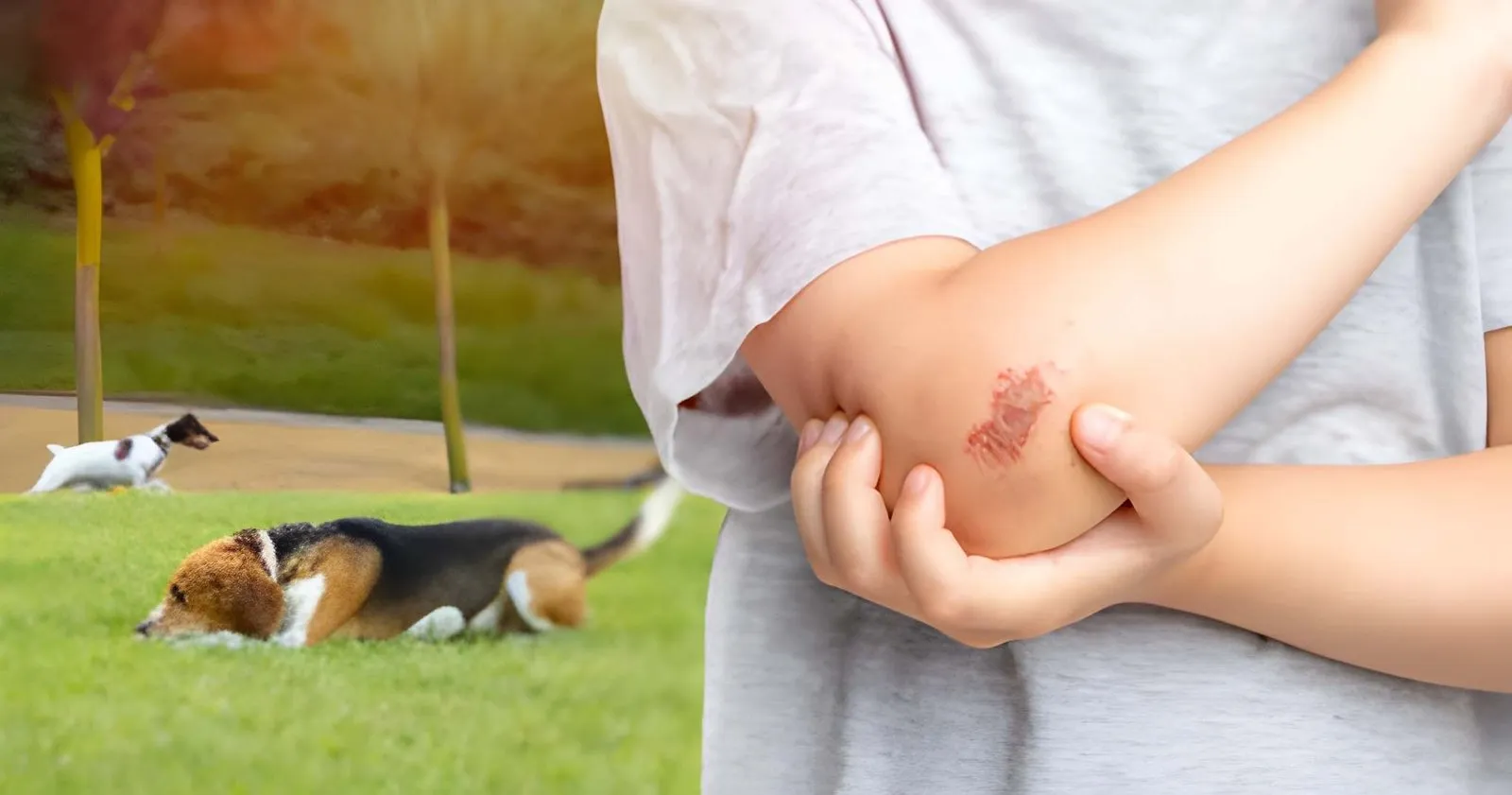

It happened fast, and now you are left dealing with pain, fear, and a mess you did not ask for. One moment you were walking, visiting someone, or watching your child play, and the next you were trying to stop bleeding and make sense of what just happened. Dog bite injuries are not just cuts or punctures, which is why speaking with a dog bite lawyer may help you understand your options. They can lead to infection, nerve damage, scarring, missed work, and a level of stress that lingers long after the skin starts to heal.
You may also be hearing too many opinions at once. Someone says the dog “never did that before.” Someone else tells you not to make a big deal out of it. Meanwhile, you are paying for urgent care, wondering if rabies shots are needed, and trying to figure out whether the owner’s insurance should cover any of this. That confusion is common. The short version is simple. Get medical care, document everything, and speak with a personal injury lawyer if the bite caused real harm.
Dog Bite Injuries Often Bring Medical and Legal Problems at the Same Time
A dog attack can trigger more than one problem at once. The physical injury is obvious. The hidden part is what follows. Puncture wounds can trap bacteria deep under the skin, which raises the risk of infection. The medical guidance on animal bites makes clear that even wounds that seem minor can become serious if they are not cleaned and treated quickly.
That is where the financial pressure starts. You may need emergency treatment, stitches, antibiotics, follow up visits, plastic surgery care, or counseling if the attack left you anxious around dogs or afraid to leave home. Parents often see this in children after a bite. A child who once ran toward every friendly dog may suddenly freeze, cry, or have trouble sleeping.
The legal side gets harder when people minimize what happened. Dog owners may feel embarrassed and defensive. Insurance companies may ask for statements before you know the full extent of the injury. If you accept a quick explanation or early payment, you may lose the chance to recover the full cost of treatment later. That matters when a wound becomes infected, scars badly, or limits movement in a hand, arm, or leg.
Canine bite injuries also raise public health concerns. Rabies is rare in vaccinated pets, but it is still a serious issue when the vaccination status is unknown. The CDC rabies prevention page explains why prompt evaluation matters after an animal bite. If the dog cannot be located or records are unclear, doctors may recommend preventive treatment right away.
What Makes a Dog Bite Claim Strong or Weak
Strong claims usually have clear medical records, photos, witness information, and proof of costs. Weak claims often start with delay. You wait a few days because the wound “does not seem that bad,” then it swells, turns red, and you end up in a clinic. You throw away the torn clothing. You forget the dog owner’s full name. You do not photograph bruising because it looked minor at first. Those details matter later.
Liability can also depend on where the bite happened, whether the dog was leashed, whether the owner knew the dog had shown aggression before, and how local law handles owner responsibility. Some cases are direct. A loose dog runs from a yard and bites a passerby. Some are less obvious. A dog jumps on a guest, knocks them down, and causes deep scratches, facial injury, or a fall. Both can lead to serious harm.
This is where a dog bite lawyer can help sort out fault, insurance coverage, and the real value of the claim. Many people focus only on the first hospital bill. They miss future treatment, scar care, lost wages, and pain that affects daily life.
Medical Care and Legal Help Serve Different Needs
The first priority is your health. Wash the wound if you can, get medical care, and follow the treatment plan. The CDC guidance on staying safe around dogs also helps explain how bites happen and why some injuries become severe, especially for children and older adults.
Medical care treats the injury. Legal help deals with the cost of that injury and the responsibility behind it. Trying to handle everything alone can work in a very minor case, but it often falls apart once bills rise or the insurance company pushes back.
| Issue | Handling It Alone | Working With a Personal Injury Lawyer |
|---|---|---|
| Medical records | You collect and organize them yourself, often after treatment has already expanded | Your records are gathered and used to show the full extent of the injury |
| Insurance contact | You may give statements too early or accept a low offer | Communication is handled with a focus on protecting the claim |
| Damages considered | Many people count only the first bills | Claims can include future care, lost wages, scarring, and pain |
| Proof of liability | You may not know what evidence matters under local law | Evidence is built around negligence, owner knowledge, and coverage |
| Stress level | You manage treatment, paperwork, and negotiation at once | You can focus more on recovery while the claim is pursued |
Three Steps to Take After a Dog Attack Injury
1. Get medical care right away. Even a small puncture wound can turn serious. Follow instructions on cleaning, medications, and follow up care. Ask for copies of every record, bill, and discharge note.
2. Preserve evidence before it disappears. Take photos of injuries, torn clothes, blood, the scene, and the dog if possible. Get the owner’s name, contact details, insurance information, and vaccination records. If anyone saw what happened, get their names and numbers.
3. Speak with a personal injury lawyer before dealing with the insurer in depth. A brief conversation can help you understand whether you have a claim, what compensation may apply, and what mistakes to avoid. That is especially useful in a dog bite injury claim involving children, facial wounds, infection, or lasting scars.
Recovery Deserves Support
You do not need to downplay what happened just because the dog belonged to a neighbor, friend, or family member. A bite can disrupt your health, income, and peace of mind in ways that are hard to explain until you are living through them. Getting help is not overreacting. It is a practical response to a real injury.
If a dog bite has left you with medical bills, missed work, or lasting pain, reach out for legal guidance and find out what your options are. The right support can help you protect your health, your claim, and your next steps.