
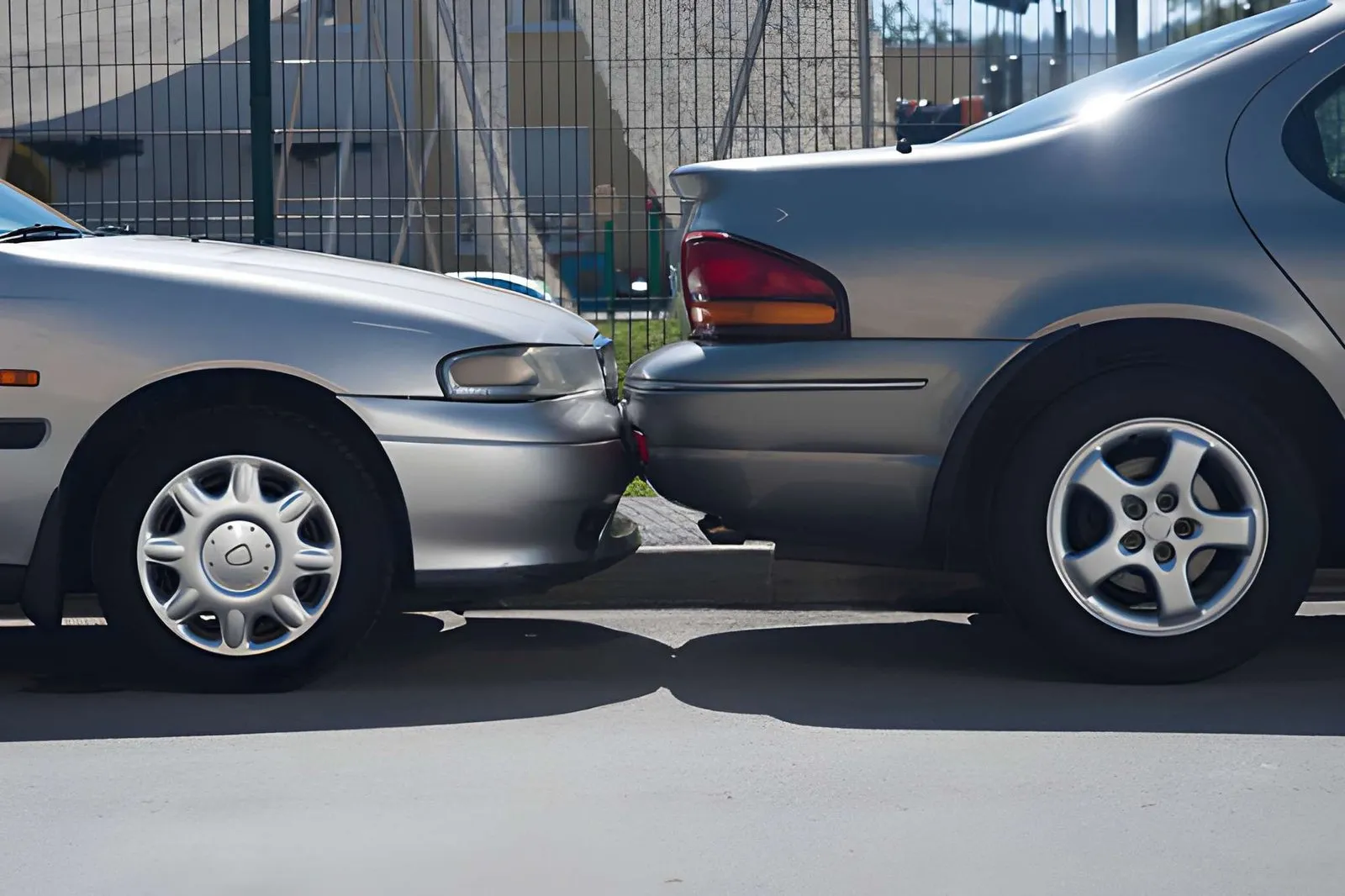

You get hit from behind, your heart is racing, and before the shock even wears off, you may already hear the same line from everyone around you. The driver in the back is always at fault. That rule is common, but it is not absolute. If you were rear ended, fault still depends on what happened in the seconds before impact, what the evidence shows, and how the crash was documented. An Atlanta Car Accident Lawyer can help evaluate those details and determine how liability may be assigned.
That matters because blame affects everything after a wreck. Insurance claims, medical bills, missed work, car repairs, and any personal injury claim can turn on one detail that was missed at the scene. A rear-end crash is often caused by the trailing driver following too closely, but there are situations where the front driver shares fault or is not entitled to recover the full value of a claim. In some cases, the rear driver may not be at fault at all.
Rear-end accident fault depends on the facts, not a blanket rule
Most rear-end collisions happen because the rear driver was distracted, speeding, or driving too close for traffic conditions. The Federal Motor Carrier Safety Administration warns that following too closely reduces reaction time and raises crash risk. That is why rear drivers are often presumed responsible. They are expected to leave enough distance to stop safely.
That presumption can break down when the front vehicle creates a sudden hazard. If a driver cuts into your lane and slams on the brakes, backs into your vehicle, drives with broken brake lights, or stops for no valid reason in a travel lane, the story changes. The same is true when a chain reaction crash starts with another vehicle or a mechanical failure plays a role.
You may already be replaying the crash in your head. Did you stop too fast? Did the other driver look down at a phone? Did someone else force the whole thing to happen? Those details are not small. They are often the difference between a denied claim and a paid one.
Common situations where a rear-end collision may not be your fault
A rear-end collision may not be your fault if the other driver reversed into you. It sounds rare, but it happens in parking lots, at red lights, and in congested traffic. A driver misses a turn, panics, throws the car in reverse, and suddenly claims you hit them.
Fault may also shift if the lead driver made an unsafe lane change and stopped without giving the rear driver a fair chance to react. If someone swerves in front of you with only a few feet of space, the impact may look simple from the outside even though the real cause started earlier.
Another example is a vehicle with nonworking brake lights. If the front driver slows or stops and gives no visible warning, that missing signal matters. The same is true when a driver stops in an active lane for no traffic control, no emergency, and no clear reason.
Commercial vehicle crashes add another layer. The FMCSA has a crash preventability determination program that recognizes some crashes are not preventable for the motor carrier or commercial driver. That does not control every injury claim, but it shows the law does not treat every rear impact as automatic fault.
Police reports, crash data, and evidence shape rear-end crash liability
Insurance companies start with the basic assumption that the rear driver caused the wreck. They move off that position only when the evidence forces them to. Photos of vehicle damage, skid marks, dashcam video, witness statements, event data, and road conditions can all matter. The way a crash is coded in a report also matters. The National Highway Traffic Safety Administration sets out model minimum uniform crash criteria used to improve consistency in crash reporting.
If you are hurt, this is where stress turns into real pressure. You may be dealing with treatment, lost wages, and calls from an adjuster who wants a recorded statement before you even know the full extent of your injuries. A simple sentence like “I stopped short” can be twisted into an admission of fault, even when the other driver was texting or driving too close to avoid any safe stop.
That is why rear-end accident liability is often more disputed than people expect. The label sounds simple. The facts usually are not.
Handling a rear-end collision alone and with legal help
| Issue | Handling It Alone | Working With a Personal Injury Lawyer |
|---|---|---|
| Fault investigation | You rely on the police report and your own photos | Additional evidence can be gathered, including video, witnesses, and vehicle records |
| Insurance statements | Higher risk of saying something that hurts your claim | Communication can be managed to protect your position |
| Injury valuation | Medical costs and future losses may be undervalued | Damages can include treatment, lost income, pain, and long term effects |
| Shared fault arguments | Harder to push back when the insurer blames you | Evidence can be organized to challenge unfair fault claims |
Not every crash needs a lawsuit. Some claims are straightforward. Some are not. If liability is disputed, injuries are serious, or the insurer is pushing blame onto you, legal help often becomes less about fighting and more about getting the facts taken seriously.
What to do right after a disputed rear-end crash
Document the scene before it changes. Take photos of all vehicles, license plates, traffic signs, skid marks, debris, lane positions, and any visible injuries. If brake lights were out or a vehicle cut across lanes, capture that. Get names and numbers of witnesses before they leave.
Get medical care and follow through. Pain often shows up hours later, especially in the neck, back, and head. Prompt treatment protects your health and creates a record that connects your injuries to the crash. Gaps in care are often used against you.
Be careful with statements and fast settlements. Give basic facts to the police and your insurer, but do not guess, minimize your injuries, or accept blame on the spot. If fault is being disputed, speak with a car accident lawyer or personal injury lawyer before giving a recorded statement or signing a release.
A rear-end collision claim can turn on one overlooked fact
If you were hit from behind, you are not automatically the one with a weak case, and if you were the rear driver, you are not automatically at fault either. The truth lives in the details. Unsafe stops, sudden lane changes, mechanical issues, poor visibility, and chain reactions can all change liability.
You do not need to sort that out while injured and overwhelmed. A personal injury lawyer can review the evidence, deal with the insurance company, and help protect your claim before the story gets simplified into something unfair.